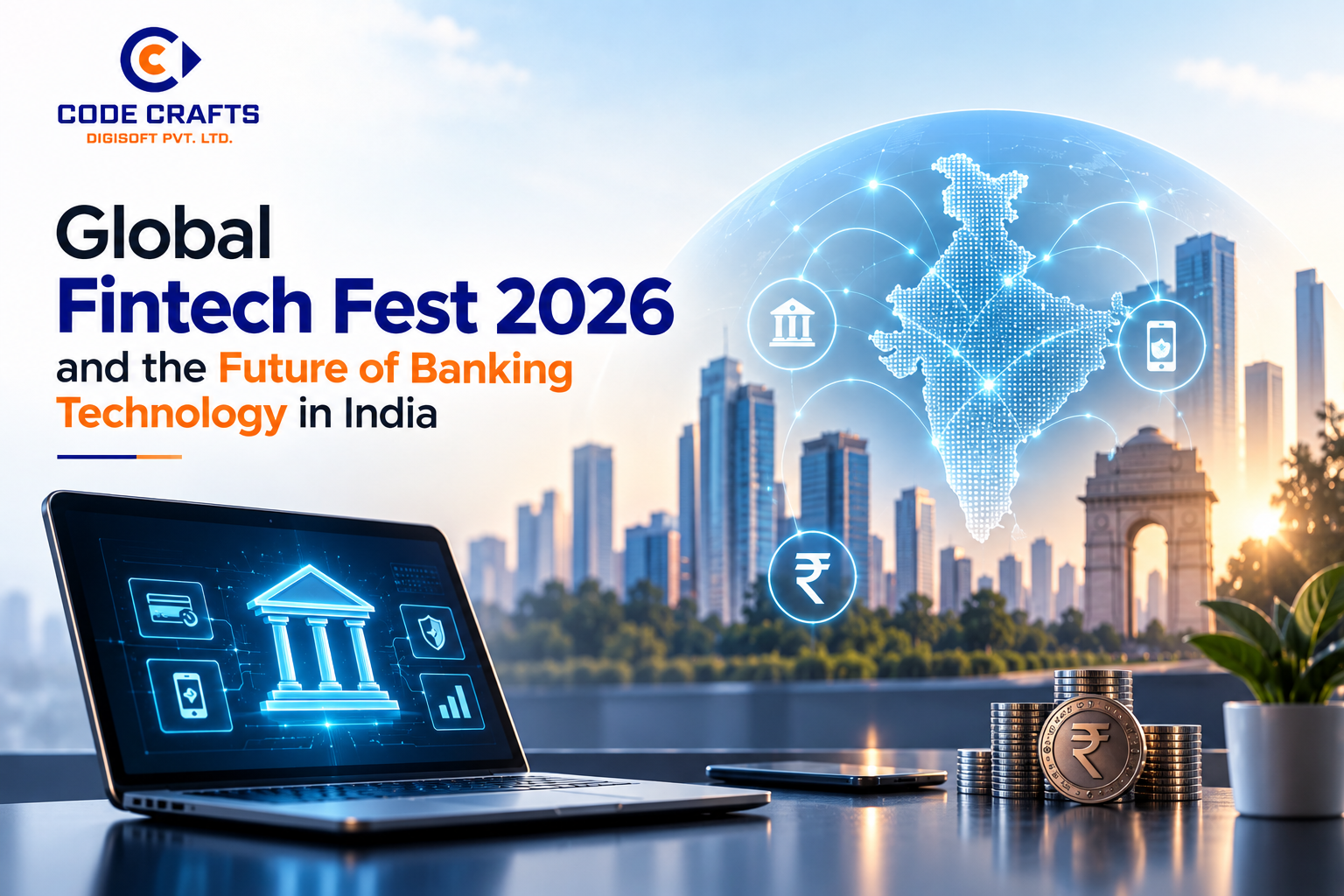
India’s financial technology landscape is undergoing a transformation so rapid that it’s reshaping not just how we pay, save, and borrow—but how the world thinks about the future of banking. At the heart of this shift is the Global Fintech Fest (GFF) 2026, currently underway in Mumbai, which has become the epicenter for global dialogue on the next generation of financial infrastructure.
For businesses and consumers alike, the implications are profound. From AI-driven financial assistants to tokenized assets and quantum-secure payments, the technologies showcased at GFF 2026 are set to define the next decade of banking in India.
What Is Global Fintech Fest 2026?
The 7th edition of Global Fintech Fest is being held from 8–11 September 2026 at the Jio World Centre and Trident BKC in Mumbai. Organized in partnership with key industry bodies, GFF has grown into one of the world’s most influential fintech gatherings, drawing policymakers, regulators, central bankers, fintech founders, and technology leaders from across the globe.
This year’s theme—“Potential to Impact: Agentic AI, Tokenisation, Quantum – Trusted, Connected, Global Systems for Inclusive Finance”—reflects a pivotal moment in fintech evolution. The festival is structured around conference sessions, exhibitions, masterclasses, and product launches, with confirmed partners including Google Pay, PhonePe, HDFC Bank, SBI, Paytm, Visa, Amazon Pay, and HSBC, among others.
Why GFF 2026 Matters for India’s Banking Future
India’s fintech story is already exceptional. In May 2026 alone, UPI processed 23.2 billion transactions worth nearly ₹30 lakh crore. For the full financial year 2026, UPI volumes reached 241.62 billion transactions—more than 7,600 transactions every second. By August 2026, monthly UPI transactions hit a record 24.51 billion, underscoring the scale of adoption.
But the next phase isn’t just about volume—it’s about intelligence, security, and programmability. GFF 2026 is focusing on three transformative forces:
- Agentic AI: Autonomous AI systems that can orchestrate financial workflows, from personalized wealth management to real-time fraud detection.
- Tokenisation: Turning traditional assets (real estate, bonds, even invoices) into programmable, transferable digital tokens on blockchain rails.
- Quantum Computing: Preparing financial infrastructure for both the opportunities (optimization, risk modeling) and threats (cryptographic vulnerability) of quantum-era computing.
These themes aren’t abstract—they’re already influencing product roadmaps at India’s largest banks and fintechs.
The Future of Banking Technology in India
1. AI-Powered Banking Assistants
Imagine a banking app that doesn’t just show your balance but anticipates your cash flow needs, negotiates better loan rates on your behalf, or automatically rebalances your investments based on market signals. That’s the promise of agentic AI—AI that acts, not just advises.
Indian banks are already experimenting with AI for:
- Hyper-personalized product recommendations
- Real-time credit underwriting using alternative data
- Automated compliance and fraud monitoring
As these systems mature, expect banking to become more proactive, contextual, and invisible—embedded into the apps and platforms you already use.
2. Tokenisation and Programmable Finance
Tokenisation is turning illiquid assets into tradable, fractional, and programmable instruments. In India, this could unlock:
- Fractional real estate investment for retail investors
- Instant settlement of trade finance using tokenized invoices
- New forms of collateral for MSME lending
The infrastructure is being built now. GFF 2026 sessions are exploring how tokenization can coexist with India’s existing digital rails (like UPI and Aadhaar) to create a hybrid financial system that’s both inclusive and innovative.
3. Quantum-Secure Payments
Quantum computing could break today’s encryption methods—but it could also enable unhackable communication channels. Indian banks and payment providers are beginning to:
- Audit cryptographic vulnerabilities in legacy systems
- Pilot quantum key distribution (QKD) for high-value transactions
- Develop post-quantum cryptography standards for UPI and other rails
The goal: ensure that India’s digital payment miracle remains secure in the quantum era.
4. Embedded Finance and Open Banking
The next wave of banking won’t happen inside bank branches—or even bank apps. It will be embedded into e-commerce platforms, SaaS tools, and gig economy apps.
Key trends:
- API-first banking: Banks exposing services via APIs for seamless integration
- Consent-led data sharing: Users controlling who accesses their financial data
- Vertical-specific finance: Tailored credit, insurance, and treasury solutions for sectors like healthcare, logistics, and edtech
India’s Account Aggregator framework and UPI for credit are early steps toward this future.
Challenges on the Horizon
No transformation is without friction. India’s fintech ecosystem faces several headwinds:
- Monetization of UPI: After years of free transactions, the government is considering a merchant discount rate (MDR) for large UPI payments, which could reshape incentives for banks and payment apps.
- Regulatory balance: Innovation must coexist with consumer protection, data privacy, and systemic stability.
- Digital divide: While urban India is hyper-connected, rural and semi-urban areas still lag in access to advanced financial services.
GFF 2026 is serving as a forum to address these challenges through public-private collaboration.
How Code Crafts Digisoft Pvt. Ltd. Supports the Fintech Future
As India’s banking infrastructure evolves, businesses need technology partners who understand both the technical complexity and strategic implications of these shifts. That’s where Code Crafts Digisoft Pvt. Ltd. comes in.
Who We Are
Code Crafts Digisoft Pvt. Ltd. is a Jaipur-based technology and digital marketing firm specializing in SEO, website audits, content strategy, and competitive analysis for fintech, software development, and real estate sectors.
Benefits for Fintech and Banking Clients
- SEO-Optimized Content: We craft high-ranking blog posts, meta descriptions, and landing pages that position your fintech brand as a thought leader in AI, tokenization, and digital banking.
- Competitive Intelligence: Our website audit and competitor analysis services help you identify gaps in your digital presence and outperform rivals in search visibility.
- Technical SEO for Complex Sites: Fintech websites often have dynamic content, APIs, and compliance requirements. We ensure your site is fast, secure, and crawlable by search engines.
- Data-Driven Strategy: Using tools like Google Analytics and advanced SEO platforms, we track performance and refine your content strategy for maximum ROI.
In an era where digital presence equals credibility, partnering with Code Crafts Digisoft ensures your fintech or banking brand stays visible, authoritative, and ahead of the curve.
What’s Next for India’s Fintech Ecosystem?
The momentum is undeniable. With UPI processing over 25 billion transactions monthly, a thriving startup ecosystem, and government support for digital innovation, India is poised to remain a global fintech leader.
But the next decade will demand more than scale—it will require intelligence, security, and inclusivity. The technologies highlighted at GFF 2026—agentic AI, tokenization, quantum computing—are not just buzzwords. They are the building blocks of India’s financial future.
For businesses, the question isn’t whether to adapt—it’s how quickly you can integrate these innovations into your products, services, and customer experiences.
Final Thoughts
Global Fintech Fest 2026 is more than a conference—it’s a blueprint for the future of banking in India. As AI, blockchain, and quantum technologies converge, the financial services landscape will become more personalized, programmable, and secure.
For fintech companies, banks, and even traditional businesses, the opportunity is clear: leverage these technologies to create better customer experiences, unlock new revenue streams, and stay competitive in a rapidly evolving market.
And for those looking to amplify their digital presence in this high-stakes environment, Code Crafts Digisoft Pvt. Ltd. offers the SEO, content, and competitive intelligence expertise needed to stand out in India’s crowded fintech space.
The future of banking is being written now—in Mumbai, at GFF 2026, and in the boardrooms and codebases of India’s most innovative companies.
Frequently Asked Questions
About Author

Codecrafts Digisoft
Expert content creator and technology enthusiast at Code crafts Digisoft Pvt. Ltd.