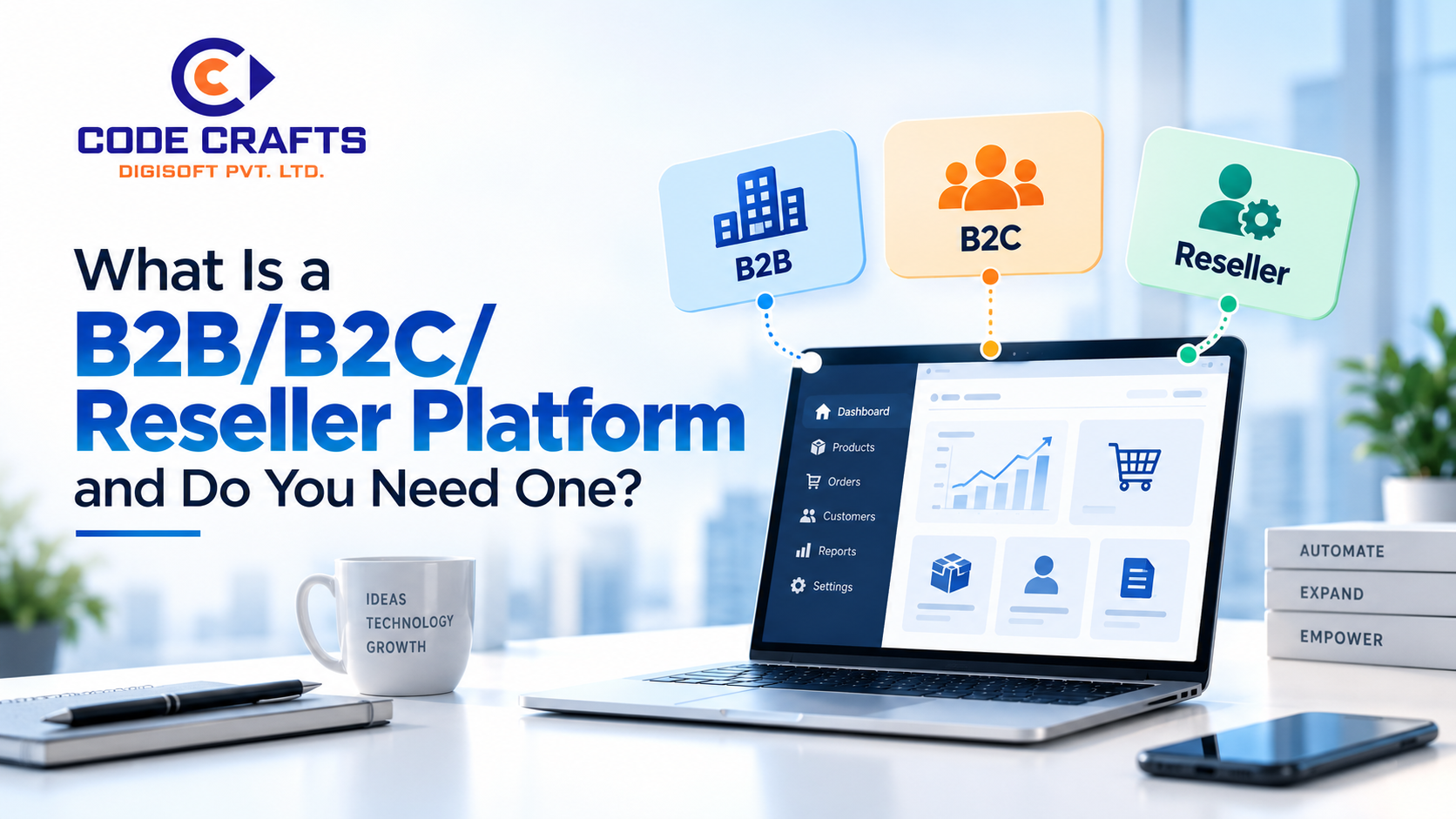
If you sell products or services online, you have probably heard terms like B2B, B2C, and reseller platforms. But what do they actually mean, and which one fits your business model? This guide explains each platform type in simple terms, outlines their core benefits, and helps you decide whether investing in one is the right move for your growth strategy.
Understanding the Basics: B2B, B2C, and Reseller Models
Before diving into platforms, it is essential to understand the underlying business models they support.
- B2B (Business-to-Business): This model involves transactions where one business sells products or services to another business. Examples include a manufacturer selling raw materials to a factory or a software company providing tools to a marketing agency. B2B transactions often involve bulk orders, negotiated pricing, and longer sales cycles.
- B2C (Business-to-Consumer): In this model, businesses sell directly to individual end-users for personal use. Think of an online clothing store or a food delivery app. B2C transactions are typically smaller in volume but higher in frequency, driven by emotional or immediate needs.
- Reseller Model: This is a hybrid approach where a business purchases products from a manufacturer or wholesaler and sells them to end customers or other businesses. Resellers do not create the product; they add value through distribution, marketing, or customer service.
What Is a B2B Platform?
A B2B platform is a digital ecosystem designed to facilitate transactions between businesses. Unlike standard online stores, these platforms are built to handle the complexity of business buying.
Key Features:
- Account-Specific Pricing: Prices are often negotiated and hidden from the public, visible only to logged-in business accounts.
- Bulk Ordering: Capabilities to handle large quantity orders, often with tiered pricing discounts.
- Complex Workflows: Support for multi-step approval processes, purchase orders, and credit terms.
- Integration: Deep connectivity with ERP (Enterprise Resource Planning) and CRM systems to manage inventory and customer data seamlessly.
Who Needs It? Manufacturers, wholesalers, and SaaS companies that sell to other organizations typically require a robust B2B platform to manage relationships and streamline procurement.
What Is a B2C Platform?
A B2C platform is what most people recognize as a standard e-commerce website. Its primary goal is to make the buying process as fast and frictionless as possible for individual shoppers.
Key Features:
- User-Friendly Interface: Designed for quick navigation and impulse buying.
- Simple Checkout: Minimal steps to purchase, often with guest checkout options.
- Marketing Tools: Built-in features for coupons, flash sales, and personalized recommendations to drive emotional purchases.
- Mobile Optimization: Critical for capturing shoppers on smartphones.
Who Needs It? Retailers, service providers, and brands selling directly to consumers need a B2C platform to maximize conversion rates and customer satisfaction.
What Is a Reseller Platform?
A reseller platform bridges the gap between manufacturers and the end market. It allows partners to sell your products without you having to manage every single end-customer interaction directly.
Key Features:
- Partner Portals: Dedicated login areas for resellers to access marketing materials, pricing sheets, and inventory levels.
- Dropshipping Support: Capabilities to forward orders directly to the manufacturer for fulfillment.
- Commission Tracking: Automated systems to track sales and calculate payouts for affiliates or partners.
Who Needs It? Brands looking to expand their reach without increasing their direct sales overhead, or distributors who aggregate products from multiple vendors.
Do You Need a Dedicated Platform?
Deciding whether to invest in a specialized platform depends on your current pain points and growth goals. Here are key indicators that it is time to upgrade:
- Manual Processes Are Slowing You Down: If your team is processing bulk orders via email or phone, a B2B platform can automate this.
- Pricing Complexity: If you struggle to manage different price lists for different clients manually, a digital platform can handle this dynamically.
- Scalability Issues: If your current website crashes during high traffic or cannot handle increased SKU counts, a dedicated platform offers better infrastructure.
- Data Silos: If your sales data does not talk to your inventory or accounting software, a platform with strong integrations is essential.
Benefits of Implementing the Right Platform
Investing in the correct digital infrastructure offers tangible advantages for your bottom line.
- Operational Efficiency: Automation reduces manual data entry errors and frees up your team to focus on strategy rather than administration.
- Improved Customer Experience: Whether it is a business buyer needing a quick reorder or a consumer wanting fast checkout, a tailored platform improves satisfaction and retention.
- Scalable Growth: Modern platforms are built to grow with you, handling increased traffic and transaction volumes without performance degradation.
- Data-Driven Decisions: Centralized data provides clear insights into sales trends, customer behavior, and inventory turnover, enabling smarter business decisions.
How Code Crafts Digisoft Pvt. Ltd. Can Help
Building or migrating to a new platform is a significant technical undertaking. This is where Code Crafts Digisoft Pvt. Ltd. comes in. As a digital executive partner, we specialize in crafting high-performance digital solutions tailored to your specific business model.
Why Choose Code Crafts Digisoft?
- Custom Strategy: We do not believe in one-size-fits-all. We analyze whether you need a B2B, B2C, or hybrid reseller setup and build a roadmap that aligns with your revenue goals.
- Technical Expertise: Our team handles the heavy lifting of development, integration, and optimization, ensuring your platform is secure, fast, and scalable.
- SEO and Visibility: A great platform is useless if no one finds it. We integrate advanced SEO strategies from day one to ensure your new platform ranks well and drives organic traffic.
- End-to-End Support: From initial concept to post-launch maintenance, we act as your technology partner, ensuring your digital presence evolves with market trends.
By partnering with Code Crafts Digisoft Pvt. Ltd., you gain more than just a website; you gain a strategic asset designed to streamline operations and accelerate growth.
Final Thoughts
Choosing between a B2B, B2C, or reseller platform is not just a technical decision; it is a strategic one that defines how you interact with your market. If you are ready to move beyond manual processes and unlock scalable growth, investing in the right platform is the logical next step. With the right partner, like Code Crafts Digisoft Pvt. Ltd., you can ensure that your digital infrastructure is robust, efficient, and perfectly aligned with your business objectives.
Frequently Asked Questions
About Author

Codecrafts Digisoft
Expert content creator and technology enthusiast at Code crafts Digisoft Pvt. Ltd.